
.png)
Top Ideas for Team Building Success

Creating a strong, cohesive team is essential for any organisation aiming to thrive. Group activities for teams are a powerful way to foster collaboration, improve communication, and boost morale. When done right, these activities can transform a group of individuals into a unified, motivated team ready to tackle challenges together. This article explores some of the best ideas for group activities that promote success and offers practical tips to implement them effectively.
Engaging Group Activities for Teams to Build Connection
Group activities for teams should be designed to encourage interaction and build trust among members. Here are some effective ideas that can be tailored to different team sizes and environments:
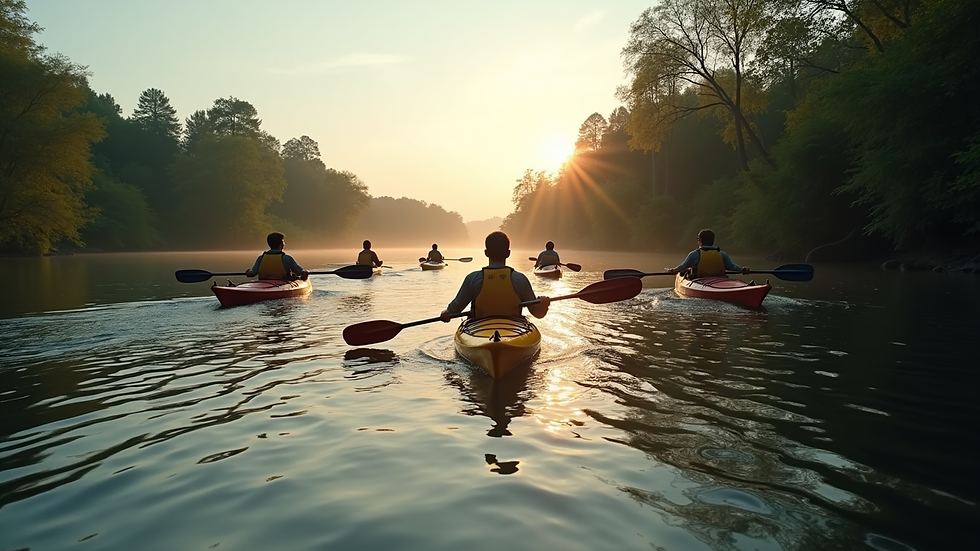
Outdoor Adventure Challenges: Activities like obstacle courses, scavenger hunts, or hiking trips encourage teamwork and problem-solving in a natural setting. These experiences push team members out of their comfort zones and require them to rely on each other’s strengths.
Creative Workshops: Organising art, cooking, or music workshops allows team members to express themselves and collaborate in a relaxed atmosphere. These activities stimulate creativity and can reveal hidden talents within the team.
Problem-Solving Games: Escape rooms or puzzle-solving challenges require teams to communicate clearly and think critically under pressure. These games simulate real workplace challenges and help improve strategic thinking.
Volunteer Projects: Participating in community service as a team builds a sense of purpose and shared values. It also enhances empathy and social responsibility, which can translate into better teamwork.
Virtual Team Activities: For remote teams, virtual trivia, online escape rooms, or collaborative digital art projects keep members connected and engaged despite physical distance.
When planning group activities for teams, it’s important to consider the interests and abilities of all participants to ensure inclusivity and maximum engagement.

How to Choose the Right Group Activities for Teams
Selecting the right activities depends on your team’s goals, size, and dynamics. Here are some key factors to consider:
Team Objectives: Identify what you want to achieve - better communication, trust, leadership skills, or simply fun and relaxation. Different activities target different outcomes.
Team Size: Some activities work better with small groups, while others are designed for larger teams. Make sure the activity can accommodate everyone comfortably.
Physical Ability and Comfort: Consider the physical capabilities and preferences of your team members. Avoid activities that might exclude or discomfort anyone.
Time and Budget: Choose activities that fit within your available time and budget. Some group activities for teams can be done in a few hours, while others may require a full day or more.
Location and Resources: Whether you’re indoors, outdoors, or virtual, ensure the activity suits the environment and available resources.
Follow-up and Reflection: Plan time after the activity for the team to reflect on what they learned and how it applies to their work.
By carefully selecting activities that align with your team’s needs, you can maximise the benefits and create memorable experiences.

What are the 5 C's of teamwork?
Understanding the 5 C's of teamwork can help guide the design and execution of group activities for teams. These principles are essential for building a successful team:
Communication: Clear and open communication is the foundation of effective teamwork. Activities should encourage sharing ideas and active listening.
Cooperation: Team members must work together harmoniously, supporting each other to achieve common goals.
Coordination: Organising tasks and synchronising efforts ensures efficiency and prevents duplication or conflict.
Commitment: Each member should be dedicated to the team’s success and willing to contribute their best.
Conflict Resolution: Differences and disagreements are natural; teams need strategies to resolve conflicts constructively.
Incorporating these 5 C's into your group activities helps reinforce these critical skills and behaviours, leading to stronger team performance.
Practical Tips for Successful Team Building Activities
To get the most out of your group activities for teams, consider these actionable recommendations:
Set Clear Objectives: Before the activity, communicate the purpose and expected outcomes to the team.
Encourage Participation: Create a safe and inclusive environment where everyone feels comfortable contributing.
Mix Up Teams: Rotate group members in different activities to build wider connections and break cliques.
Debrief After Activities: Facilitate discussions to reflect on experiences, lessons learned, and how to apply them at work.
Celebrate Successes: Recognise achievements and progress to motivate continued engagement.
Use Professional Facilitation: Sometimes, hiring experts in team building can enhance the experience and ensure activities run smoothly.
Be Flexible: Adapt activities based on feedback and changing team dynamics.
By following these tips, you can create meaningful and impactful experiences that strengthen your team.
Beyond Activities: Sustaining Team Success
While group activities for teams are valuable, ongoing effort is needed to maintain a positive team culture. Here are some strategies to sustain success:
Regular Check-ins: Schedule frequent meetings to discuss progress, challenges, and support needs.
Encourage Open Feedback: Promote a culture where feedback is welcomed and acted upon constructively.
Provide Development Opportunities: Offer training and growth paths to keep team members motivated.
Recognise and Reward: Celebrate individual and team accomplishments to boost morale.
Foster Inclusivity: Ensure all voices are heard and valued, creating a sense of belonging.
Lead by Example: Leaders should model the behaviours they want to see in their teams.
By embedding these practices into daily work life, teams can continue to thrive long after the initial group activities.
Investing time and effort into well-planned group activities for teams can yield significant benefits. From improving communication to building trust and enhancing problem-solving skills, these activities lay the groundwork for a successful, high-performing team. Whether you choose outdoor adventures, creative workshops, or virtual challenges, the key is to engage your team in meaningful ways that foster connection and collaboration. For expert guidance and tailored solutions, consider partnering with professionals specialising in team building. Your team’s success starts with the right activities and a commitment to continuous growth.


Comments